As an Amazon Associate I earn from qualifying purchases.
Midwinter Mink Trapping
Mink Can be Finicky
I learned very early in my trapping career how finicky mink can be. An abundant population of these semi-aquatic mammals lived in the sloughs and backwaters that meandered through the remote cattle ranch in northern British Columbia, where I grew up. I was 12 years old when I had my first go at them.
One day, as Dad and I were feeding cows, I noticed a lot of tracks in the fresh snow covering a big slough near the field where we were working. I hustled to get my chores done before dark so I could go back and investigate. Although I had never caught a mink before, I had often seen them enough to recognize the tracks immediately.
I was confident I would soon have more mink than I could skin as I headed off the next afternoon with four old Victor body-grip traps a Cree trapper had given me. Using chunks of meat, I cut off a dead cow for bait; I built small cubbies with the dead swamp grass stuck up through the ice. A few days later, I was one disappointed trapper when I found my sets undisturbed.
My persistence paid off, and I did end up with a couple of mink pelts that winter. I began to understand that it would take more than a chunk of beef in a cubby to catch mink consistently.
Learning how to trap mink by trial and error
Over the years that followed, I tried a variety of baited sets with limited success. Sets baited with fresh fish or muskrat occasionally took mink, but I was still getting a lot of refusals. I had heard enough about the pocket set to know that serious mink trappers preferred it above all others. The problem I faced was the weather. Here in the North Country, most of our waterways are frozen solid by the time mink prime up.
As the years passed and I got serious about trapping, I concentrated on more lucrative fur like marten and lynx. I still caught mink, usually in a marten set near water, but for the most part, I left them alone.
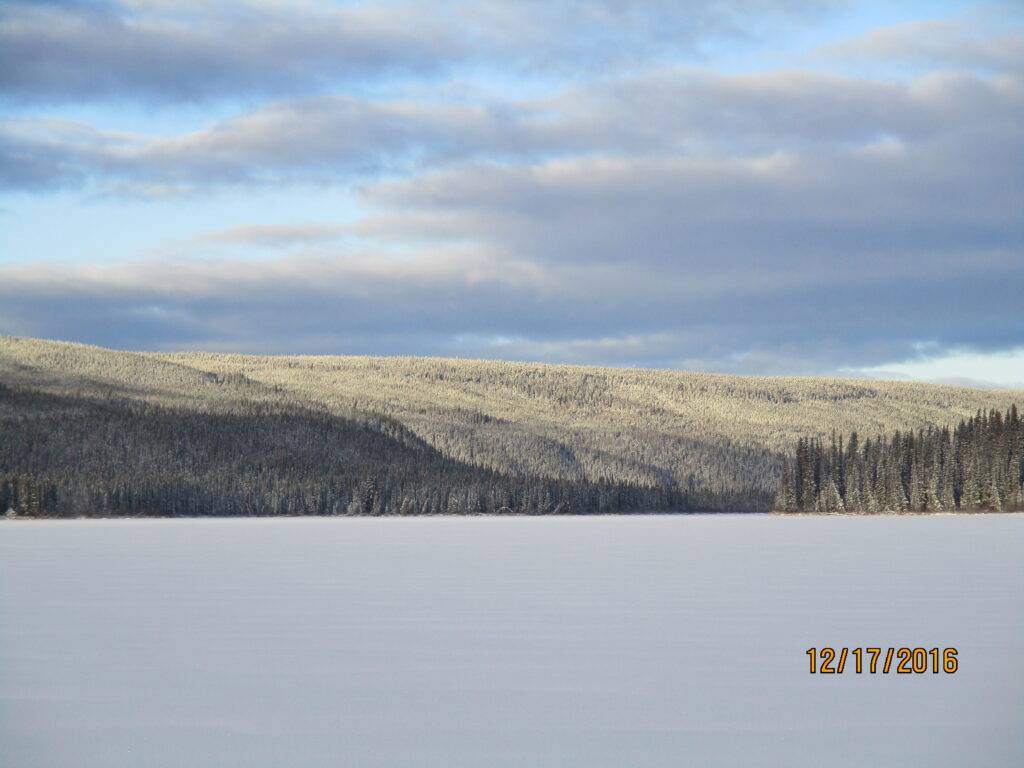
In the late 1980s, I moved my family to the Yukon Territory, where we bought a fishing lodge and a large trapline. Our new home in the southeast corner of the Territory is a mink paradise. Our lodge sits on the shores of Toobally Lakes. These two lakes are perfect habitats for an abundant mink population.
Since I traveled the edges of the lakes and rivers all winter trapping marten, I decided to target them more seriously. I knew baited sets wouldn’t produce very well, so I was determined to find something that would.
I had noticed that mink mainly traveled along the edges of the frozen lakes, seldom straying far from the shore. Once the snow started piling up, it was easy to see the holes where mink would tunnel under fallen trees and brush along the shore.
Trapping Mink Holes
When it became obvious that mink were using these holes repeatedly, I decided these mink holes would be a good place to start. The first mink hole set I made looked too easy. I set a 120-body grip trap in the entrance and wired the chain to a branch. It was so simple I didn’t expect it to produce. But it did. I knew I was onto something when my first six sets produced four big mink in two days.
As time went on, I made a few changes that improved the set. Dying my mink traps white was a significant improvement. The white traps blended in well and cut down on refusals. I also learned to identify the holes mink were most likely to use regularly.
Mink holes near the edges of marshy areas or where ice is thin are always good producers. Beaver houses are another hotspot. It doesn’t matter if they are active; every mink that comes by will poke around looking for a way in.
Beaver houses are excellent locations for mink sets.
Beaver houses are such a great location that I will now set them even if no mink sign is present. The set is quite simple. I use my hand to make a hole near the base of the house, put a few drops of mink lure in the back, and cover the hole with a trap. There are usually enough sticks frozen into the house that I can find a solid one to anchor the trap to, but if not, I just cut a small pole and shove it into the snow. The hole itself doesn’t need to be very deep as long as it is visible. The mink lure helps this set produce.
Since much of my annual income comes from trapping, fur prices force me to concentrate on money furs, like marten, lynx, and wolves. Still, it is nice to reliably harvest mink during the cold winter when the lakes and rivers are covered with three feet of ice. Somehow, the sight of a big buck mink in a set is just as exciting to me today as it was back when I had my first go at them on that old slough near where we fed cows.
Amazon and the Amazon logo are trademarks of Amazon.com, Inc, or its affiliates.